
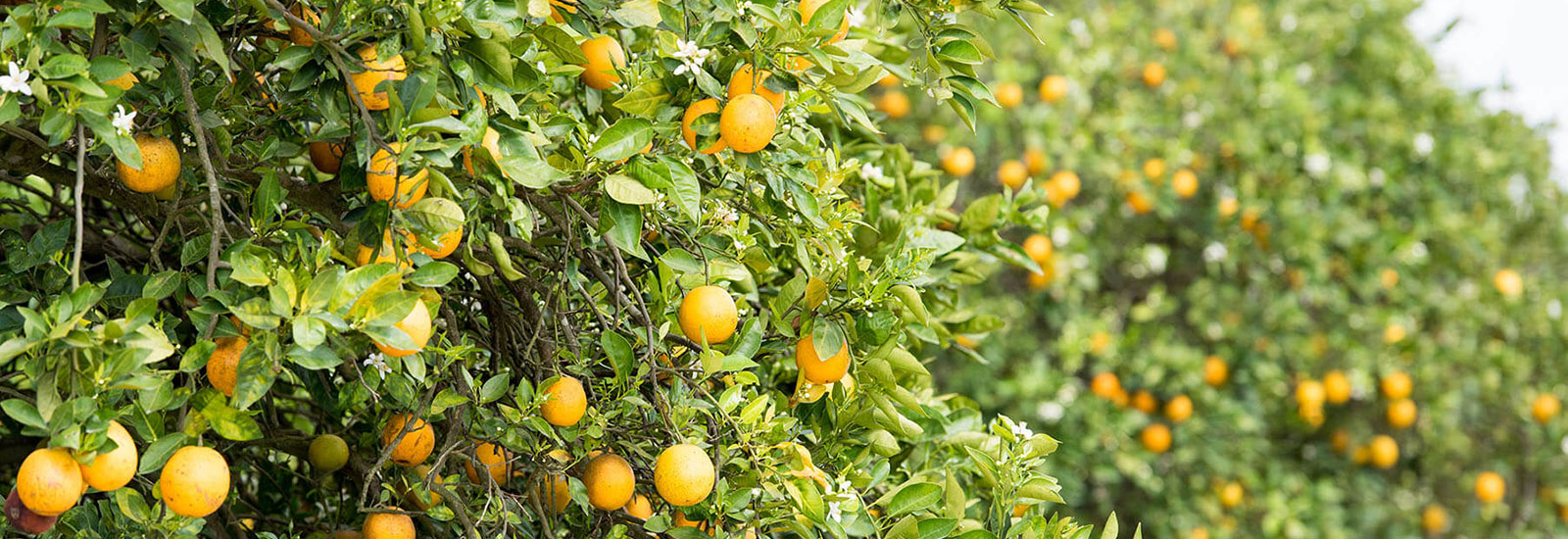
In Florida, first year’s milestones were: 1) Build a greenhouse for growing citrus for mature transformation. The University of Florida IFAS facilities has the specifications for the greenhouse and still are in the planning stages. The original specifications did not include a headhouse for maintaining clean entry and supply for the greenhouse. Facilities are modifying in an attempt to stay within budget. 2) Hire a manager of the mature transformation facility and allow this scientist to begin training in the Spanish laboratory. Dr. Cecilia Zapata Carrero has been hired as the mature transformation facility manager. She is now making plans to travel to Spain to begin learning the mature transformation technology. In Spain, we have to develop genetic transformation systems for mature tissues of the most important sweet orange varieties of Florida, and then transfer the methodology to Florida, once the greenhouse is constructed and implemented in Lake Alfred for this purpose. Valencia sweet orange has been highly responsive to regeneration and transformation. We have been able to produce a good number of transformants from the first experiments. The first Valencia transformants are already acclimated to the greenhouse. More important than that, the procedure has been shown to be reliable and consistent, meaning that we have been able to generate independent transformants with 1-2% transformation efficiency from each of the four experiments performed so far. This frequency is lower than that obtained with the readily transformable Pineapple sweet orange type that we use as responsive control, but we think transformation rates can be still increased for Valencia sweet orange. In any case, this result means that we are able to generate 1-2 independent transformant/s per 100 explants (about 20 shoots) agroinoculated, which we consider a very good rate considering that mature material is being used. Hamlin sweet orange is easy to transform from seedlings. However, we have been unable to prepare the type of starting plant material needed for mature transformation in the two first experiments performed, and this resulted in poor callus formation and regeneration. A third experiment is underway with important adjustments of the basic protocol. Plant material from mature Carrizo citrange has been prepared and it is ready to use in coming days for the first time. In addition, we are generating shoots from Pineapple sweet orange seedling explants transformed to ectopically over-express CsAP1 (AP1 from sweet orange) and CsFT (FT from sweet orange) flowering-time genes with the aim of modifying tree architecture. Interestingly, many shoots transformed with the CsFT construct are flowering in vitro soon after regeneration.